Nepal's New Government Unveils 100-Day Action Plan Focused on Economic Reform
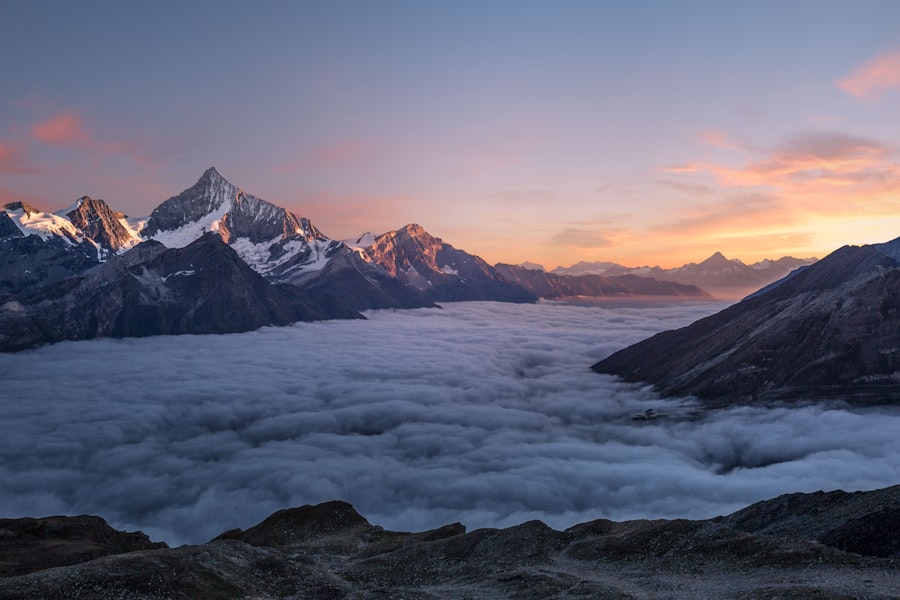
The newly formed coalition government of Nepal has presented an ambitious 100-day roadmap aimed at stabilizing the economy, addressing systemic corruption, and fast-tracking infrastructure development across all seven provinces. Prime Minister Balen Shah unveiled the plan in a nationally televised address from Singha Durbar on Sunday evening.
The plan's pillars include fiscal discipline, tax reform, enhanced foreign direct investment policies, and a comprehensive anti-corruption drive targeting both public officials and private sector actors. The government has specifically committed to completing 15 major hydropower projects stalled for years due to bureaucratic and financial hurdles.
"Nepal stands at a crossroads. The decisions we make in the next 100 days will determine whether we remain a struggling economy or emerge as the energy powerhouse of South Asia." – Prime Minister Balen Shah
Finance Minister Bimala Rai Paudyal outlined specific targets: achieving 7% GDP growth, reducing inflation below 5%, and securing at least NPR 200 billion in foreign investment pledges by the end of the 100-day period. The government also pledged to restructure the civil service examination system, making it more transparent and merit-based.
Key Priorities in the Action Plan
The document, spanning 48 pages, identifies ten key priorities. These include modernizing agriculture, expanding broadband infrastructure to rural areas, creating 150,000 new formal employment opportunities, and resolving over 50,000 pending land rights cases in provincial land registrar offices.
Political analysts have cautiously welcomed the plan, noting that similar roadmaps have been announced by past governments with mixed follow-through. Independent economist Dr. Sushil Pathak stated that while the ambitions are laudable, institutional reforms needed to implement them would require significant political will from all coalition partners.
The opposition UML party has called the plan "populist and unrealistic," demanding that the government first explain the funding mechanism for its proposed spending increases before seeking public confidence. A formal parliamentary debate on the plan is scheduled for Tuesday.
Comments (3)
Leave a Comment
This is a much needed step. Hope the government actually follows through this time unlike previous administrations.
The hydropower focus is exactly what Nepal needs. We have so much untapped potential in our rivers.
Let's wait and see. Every government comes with big promises. Actions speak louder than words.